
EUROPE, NOVEMBER 2026 — YCP Renoir has released a new white paper, “Europe’s Industrial Shift: From Structural Change to Execution Advantage,” examining why Europe’s industries face a fundamental shift in their operating environment, not a temporary downturn.
The report identifies four forces that have shifted from short-term shocks to structural features of European industry: volatile energy and input costs, unpredictable demand, limited policy support, and increasingly contested supply chains. Together, these challenges facing European industry signal the end of an industrial model built on low-cost energy, predictable demand, and efficient global supply chains.
Recent trends reflect the pressure. Euro-area energy inflation swung from a decline of around 3% in February 2026 to an increase of nearly 11% by May, before rising to almost 19% in September, the highest since early 2023. Meanwhile, the Eurozone PMI has recovered from its brief contraction in spring 2026, rising above 50 in July and reaching around 53 in September, while consumer confidence remains well below its long-term average.
“Stability is not coming back. The winners will be those who build an operating model and organization designed to perform amid volatility — not those who wait it out,” said Jun Amano, Partner and Managing Director at YCP.
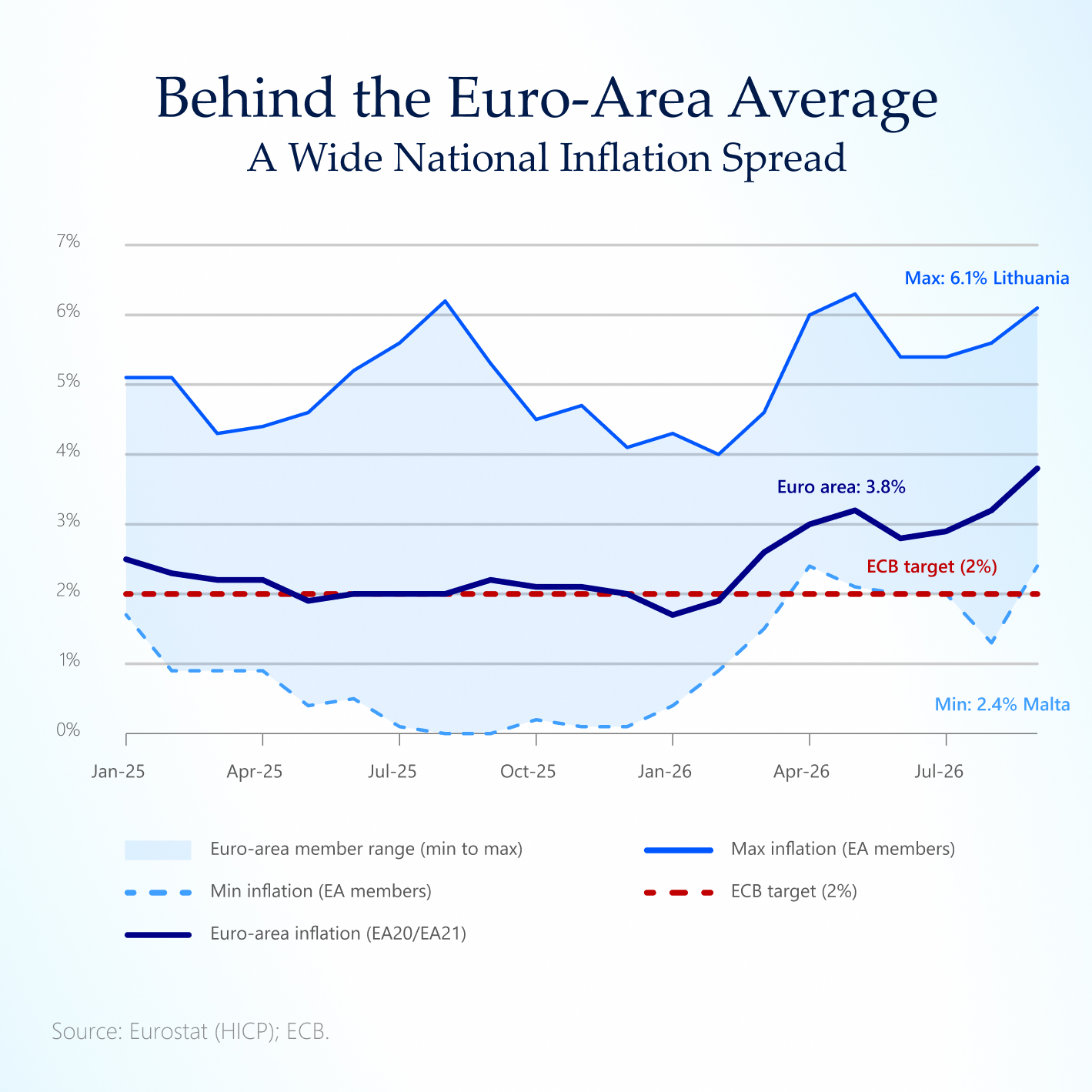
The white paper argues that the basis of industrial competitiveness in Europe is changing. Advantages will come from reshaping geographic footprints, business portfolios, supply chain networks, and operating models. Execution speed thus becomes the decisive factor.
“The goal is not to predict the future with precision. It is to position the organization to perform across multiple plausible futures,” said Leon Van Hout, CEO Europe at YCP Renoir.
The white paper then outlines four moves for structural repositioning and European industrial transformation: re-evaluating the strategic position, redesigning the supply chain for resilience, transforming operations for speed, and integrating AI into core infrastructure. Companies that stand still face a higher risk. Those that execute these moves, however, will influence the next phase of European industrial competitiveness.
Download the white paper here to understand how these four moves can help your company reposition itself structurally.