Europe’s industries are facing more than just a downturn. Their energy and input costs are higher, demand is harder to predict, policies offer less relief, and supply chains are vulnerable to geopolitical leverage. The old industrial model, which was based on stable costs, predictable demand, and global efficiency, is coming to an end.
Recent trends highlight these pressures. Euro-area energy inflation swung from a year-on-year decline of around 3% in February 2026 to an increase of nearly 11% by May, before rising to almost 19% in September. At the same time, Europe's structural cost disadvantage has widened, with industrial energy prices varying sharply across the region and the gap most pronounced for energy-intensive industries.
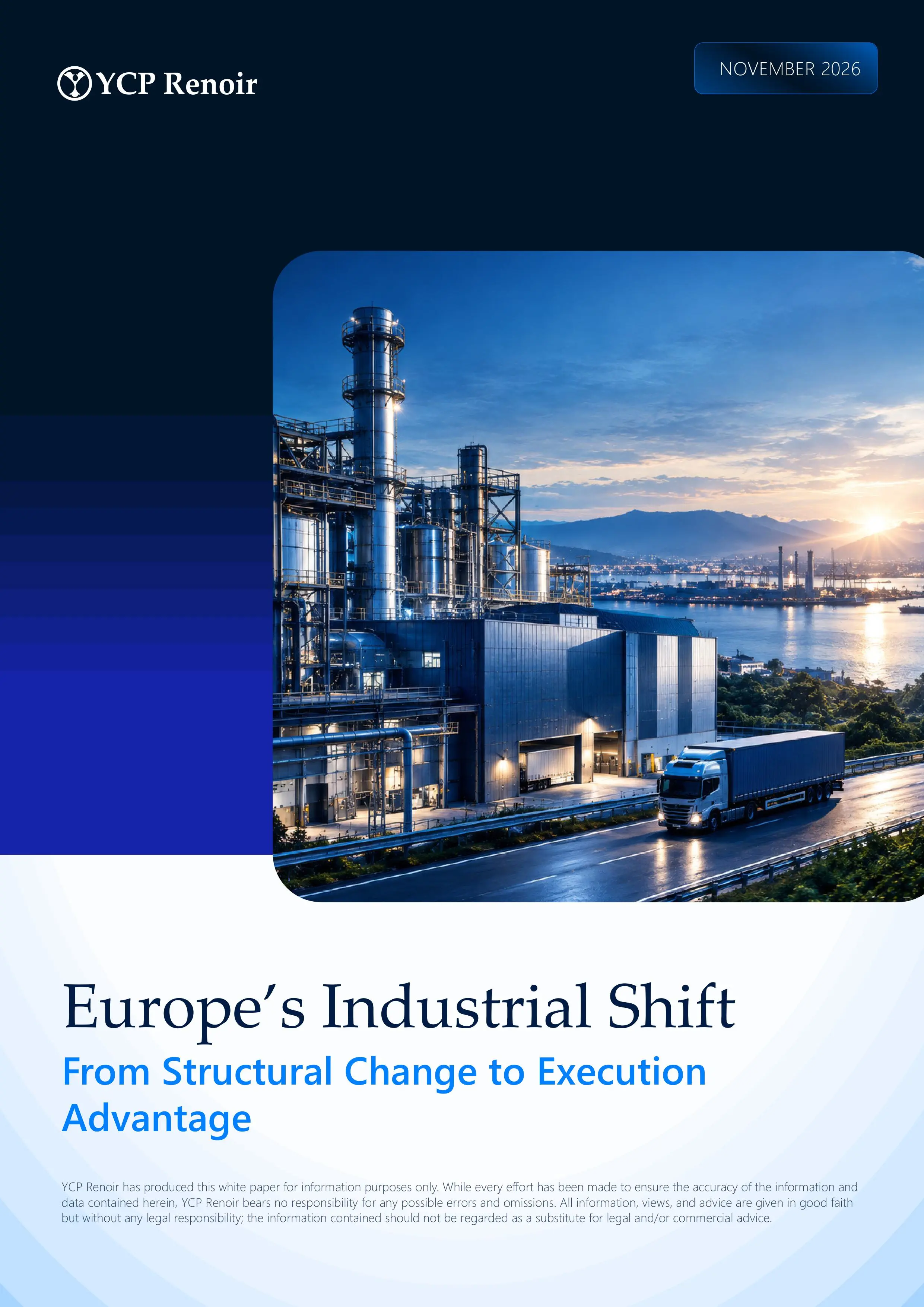
For sectors such as chemicals, metals, glass, and paper, energy is no longer a marginal cost but a strategic design variable. Our latest white paper, “Europe’s Industrial Shift: From Structural Change to Execution Advantage,” discusses these structural changes in European industry and how leaders can adapt to the new environment.
In this white paper, readers can expect to learn more about:
Four structural forces redefining European industry: How energy costs, demand, policy, and supply chains have moved from temporary shocks to lasting features of the operating environment
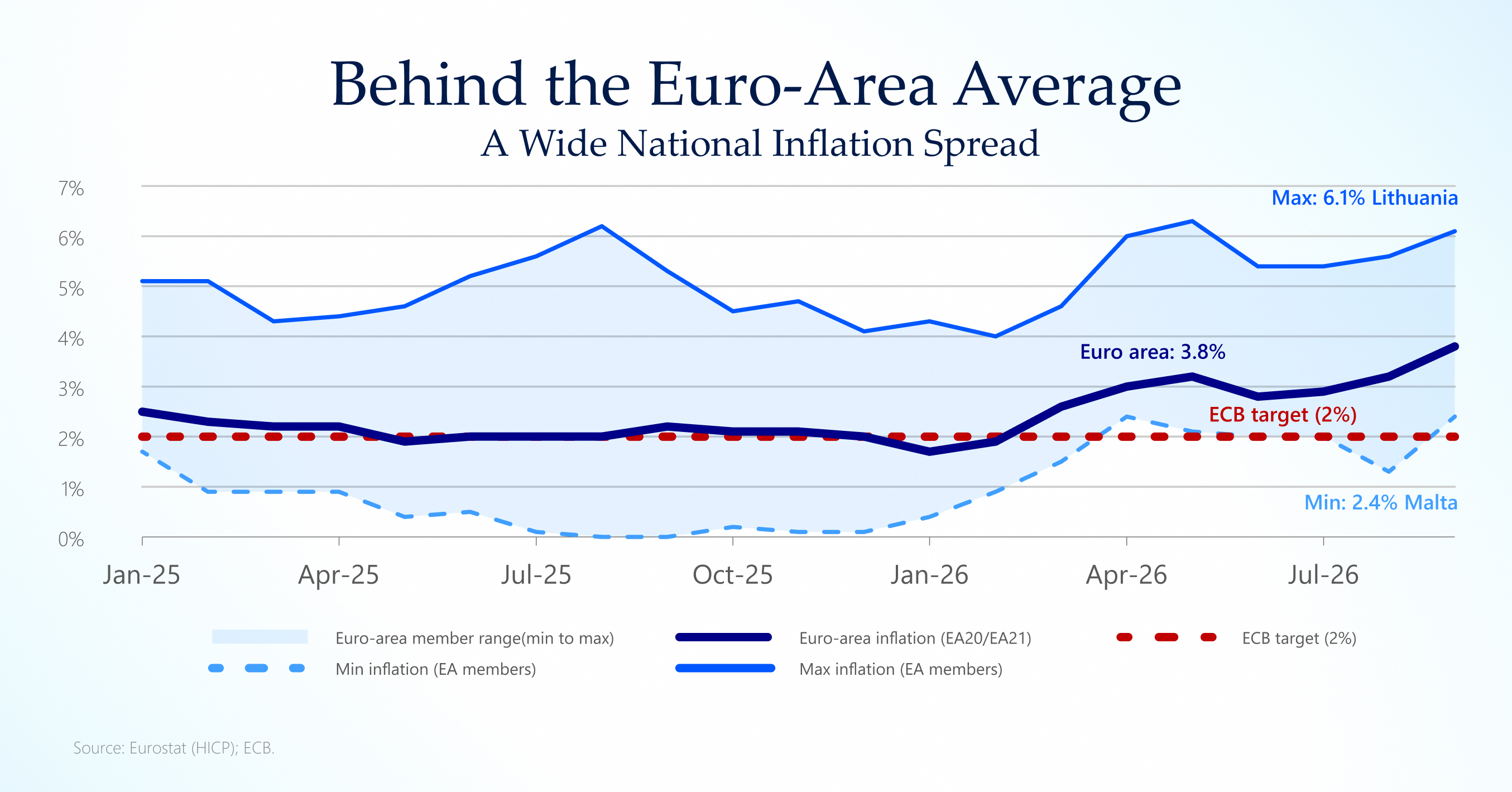
Europe’s new industrial operating environment: Data on energy inflation, electricity price gaps, PMI and consumer confidence trends, and diverging inflation across EU member states
New sources of advantage: How market fragmentation, AI, and new ownership models and private capital are changing how companies compete
The four moves for structural repositioning: How leaders can re-evaluate strategic position, redesign the supply chain, transform operations for speed, and make AI core infrastructure
Why execution is the differentiator: How leaders can manage European industrial transformation as an integrated agenda rather than a set of disconnected initiatives
In this new European industrial landscape, the ability to execute matters as much as strategic clarity. While many companies can identify the necessary changes, fewer can implement them quickly, on a large scale, and consistently enough to improve performance.
Download the full white paper to learn how your organization can develop an operating model that can perform amid volatility.
Authors
Jun Amano
Jun is the Managing Director and Partner at YCP Business Ventures in Europe with an overseas business formation and expansion aptitude.
Leon Van Hout
Leon is a Partner at YCP Renoir. He brings over 20 years of experience helping organizations navigate change and improve performance.
Recent White Paper
See All