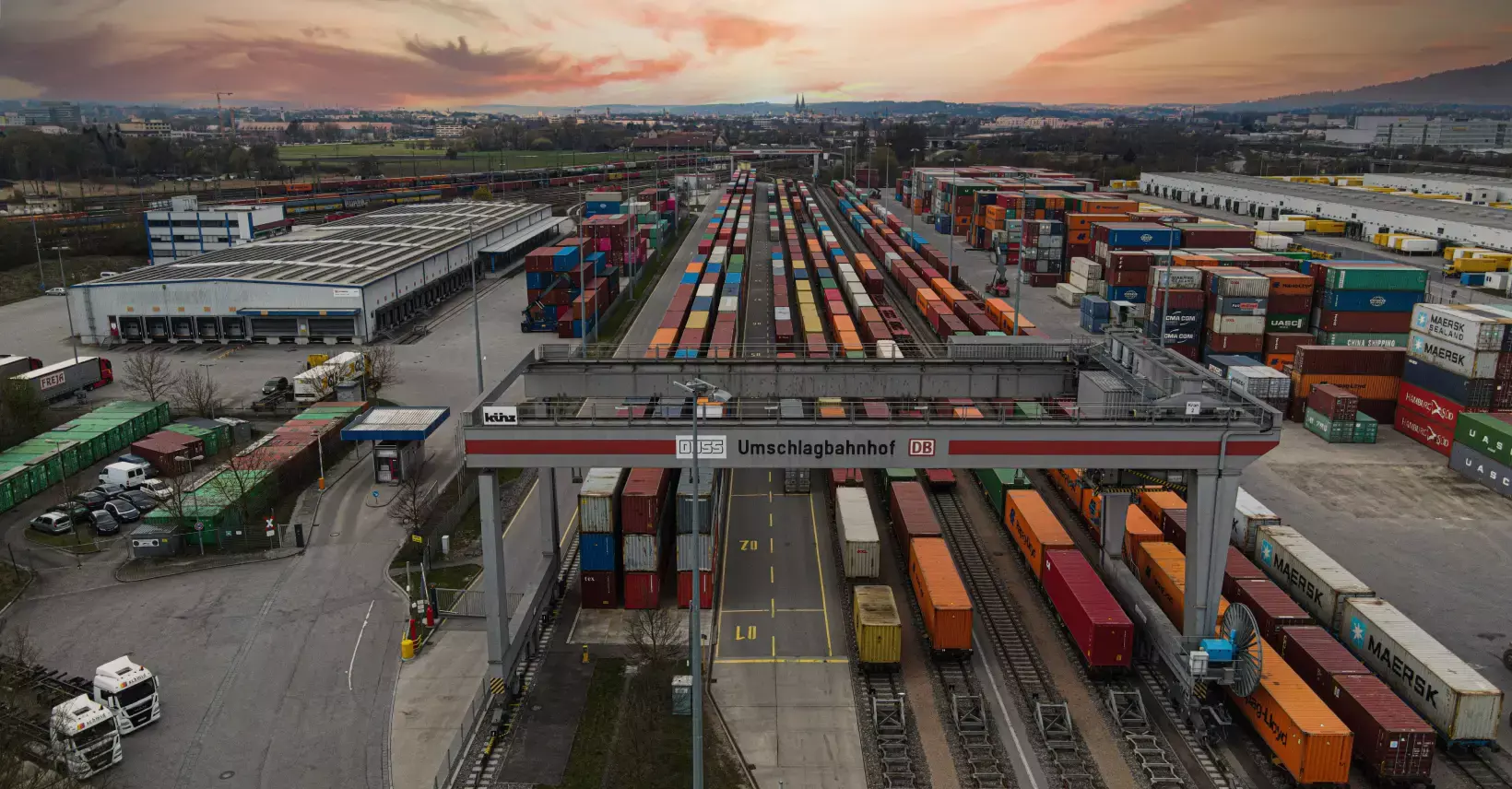
For decades, global supply chains were built to deliver efficiency at scale. Companies prioritized lower production costs, lean inventories, and access to specialized manufacturing hubs across the world. While this model created significant advantages, the past several years have made its trade-offs harder to ignore.
Pandemic-related shutdowns, geopolitical tensions, port congestion, trade policy shifts, and climate-related disruptions have all revealed how quickly a highly optimized supply chain can become a vulnerable one. For business leaders, concerns no longer only revolve around how to reduce cost, but on how to build supply chain resilience without losing competitiveness.
Designing Resilience into the System
In YCP’s white paper, “Resilience by Design: A Strategic Playbook for Nearshoring, Friend-Shoring, and Regional Supply Networks,” resilience is presented as something that must be built into the structure of the supply chain itself. Rather than treating disruption as an exception, companies are being pushed to redesign their networks with flexibility, visibility, and responsiveness in mind.
This requires a broader approach to supply chain risk management. Businesses need to look beyond immediate procurement costs and assess the risks linked to long lead times, supplier concentration, regulatory exposure, transport disruptions, and limited visibility across supplier tiers. In this environment, the strongest supply chain is not always the one that looks cheapest on paper, but the one that can maintain continuity when conditions change.
What a More Resilient Supply Chain Looks Like
One of the clearest priorities is supply chain diversification. Companies that depend too heavily on a single supplier, country, or logistics route may gain efficiency in stable conditions, but they also increase their exposure when disruption occurs. Diversifying production and sourcing across multiple locations gives businesses more options and reduces the impact of localized shocks.
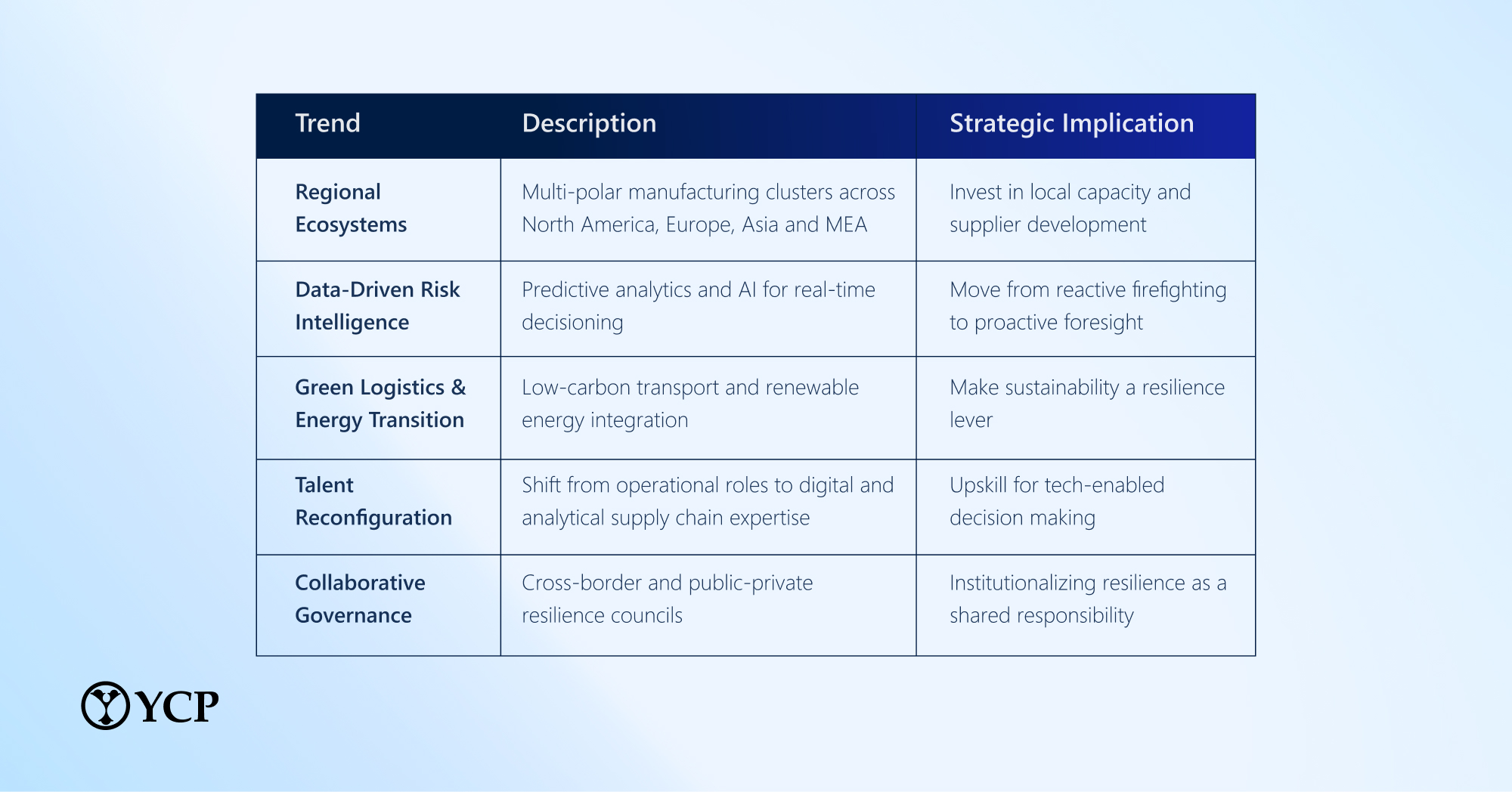
Regional supply chain models are also becoming more relevant. By developing production, supplier ecosystems, and distribution networks closer to key markets, companies can shorten lead times, improve responsiveness, and reduce dependence on long-distance routes. This does not mean abandoning global operations altogether. Instead, it points to a more balanced model, where companies remain globally connected while building stronger regional capabilities.
A nearshoring strategy can support this shift by moving production or sourcing closer to end customers. In certain industries, reshoring manufacturing may also be appropriate, especially where control, intellectual property, or national security considerations are central. Friend-shoring can also play a role when companies need to align sourcing decisions with countries that offer greater political or regulatory stability.
These approaches should not be treated as one-size-fits-all solutions. Their value depends on a company’s market position, operating model, supplier base, and risk exposure. The idea is not to follow every global supply chain trend, but to understand which changes can make the business more resilient and responsive.
From Lowest Cost to Risk-Adjusted Value
A key shift in the future of supply chain management is the move from lowest-cost sourcing to risk-adjusted decision-making. A supplier may offer a lower unit cost, but that advantage can quickly disappear if the arrangement creates delays, stock-outs, compliance issues, or customer dissatisfaction.
This is where the idea of total cost of risk becomes important. Leaders need to account for the potential financial impact of disruption, the cost of delayed deliveries, the exposure created by changing regulations, and the operational consequences of limited visibility. When viewed in this way, resilience becomes part of long-term value creation.
Priorities for Business Leaders
To strengthen supply chain resilience, companies should start by mapping their most critical dependencies across suppliers, production sites, transport routes, and regions. This helps identify single points of failure and areas where alternatives may be needed.
They should also invest in better visibility tools, including real-time monitoring, risk dashboards, and digital platforms that can help detect disruptions before they spread. Just as importantly, businesses need stronger supplier partnerships. Resilience is difficult to achieve through transactional relationships alone; it depends on coordination, trust, and shared planning across the supply network.
The modern supply chain does not need to choose between efficiency and resilience. The more important task is finding the right balance between cost, agility, and stability. Companies that make this shift will be better positioned to withstand disruption, respond to market changes, and turn resilience into a lasting source of competitive advantage.