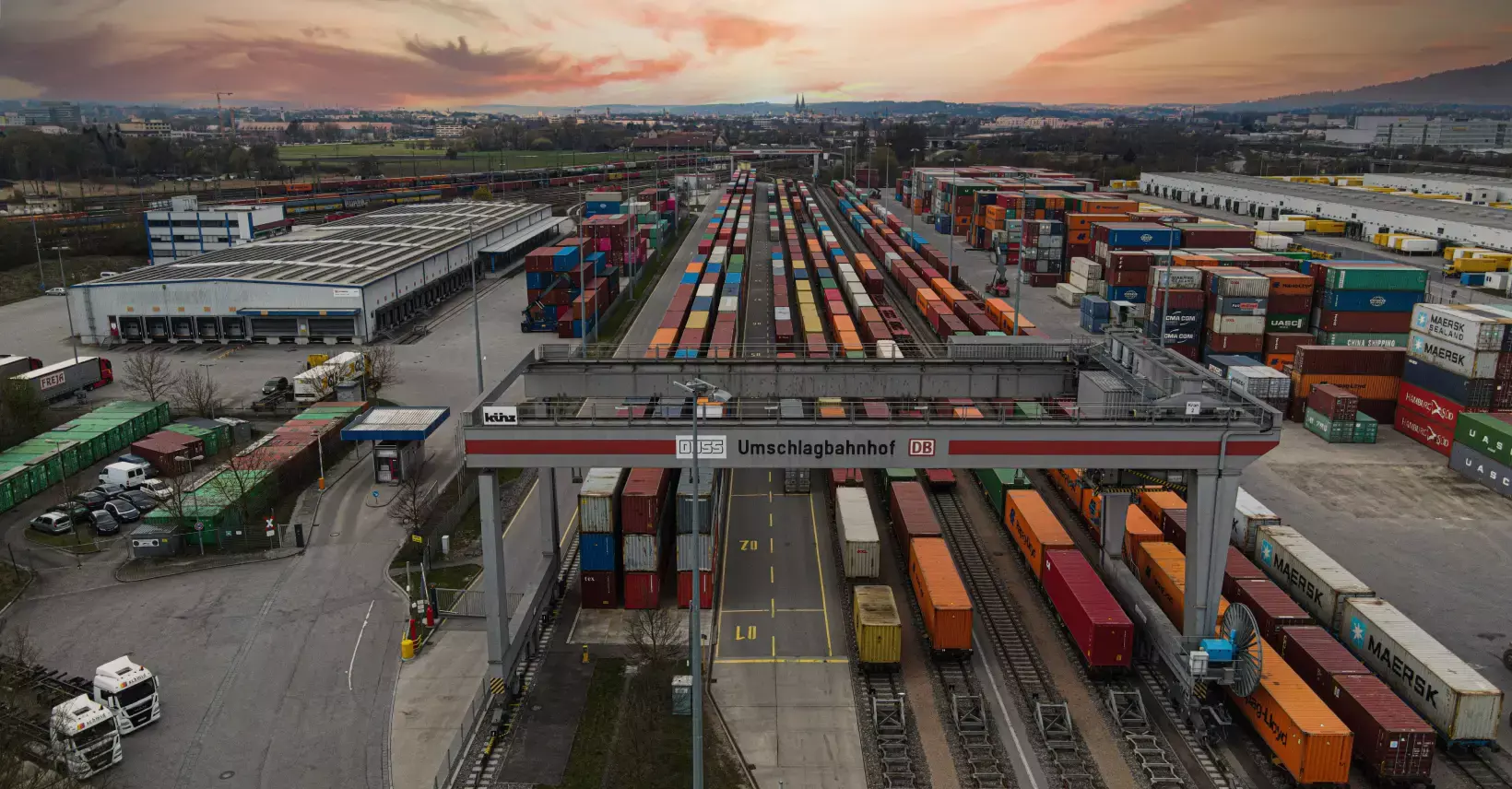
Investment in infrastructure is gaining momentum worldwide, reshaping the global infrastructure industry as governments and investors focus on upgrading energy systems, transport networks, and industrial capacity. Asia’s rapid urban growth, expanding manufacturing bases, and large public investment programs are accelerating industrial infrastructure development, positioning the region as a major destination for long-term capital.
This shift highlights Asia's market potential for multinationals. As infrastructure pipelines expand and industrial activity scales, Asia is emerging as a key area shaping future industrial demand, supply chain development, and investment opportunities.
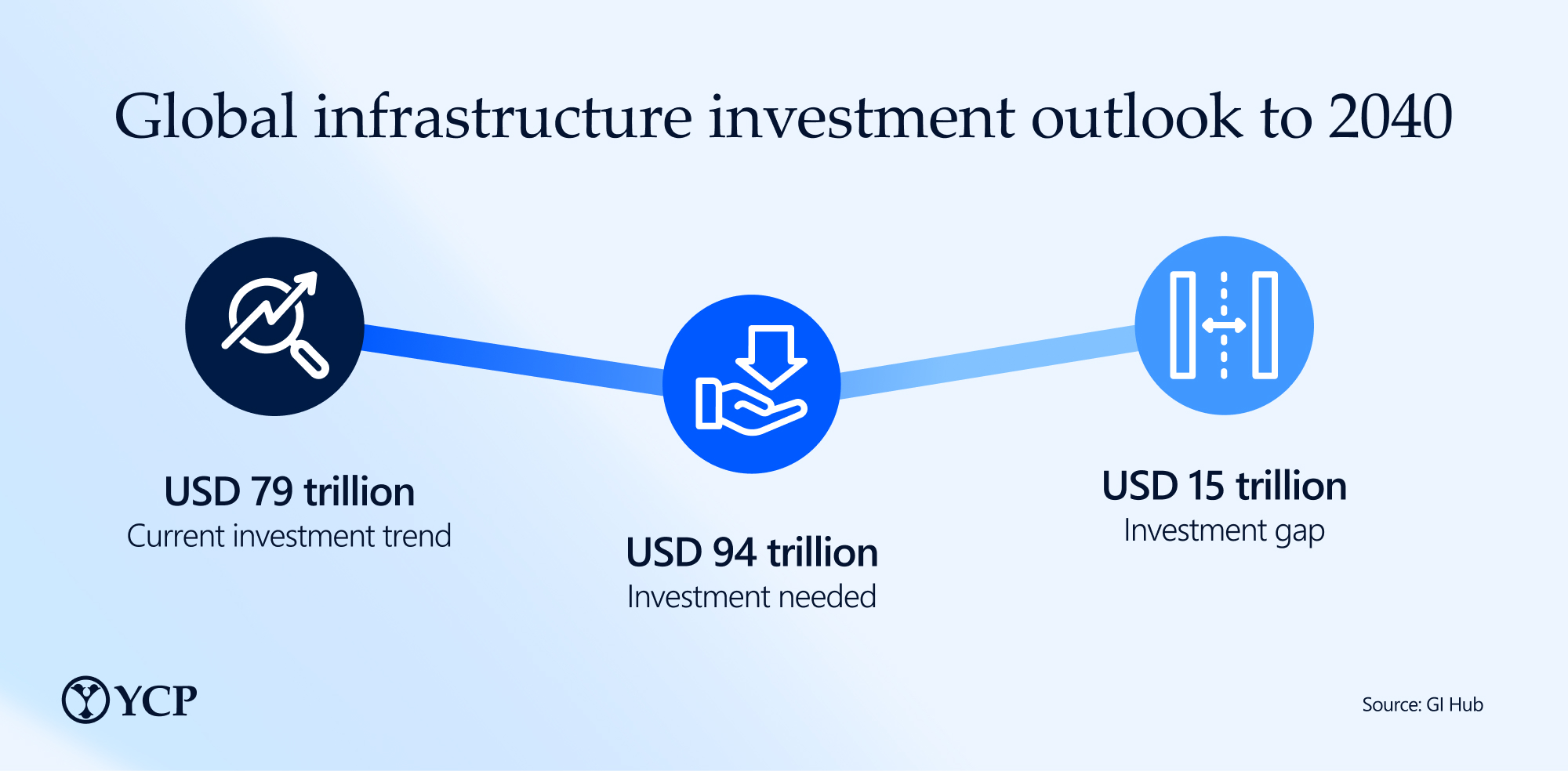
Urbanization and Industrial Expansion
Across Asia, infrastructure demand is closely tied to how cities and industries are evolving. Rapid urbanization is placing greater pressure on mobility, utilities, and essential services, while governments continue to expand industrial corridors to support long-term economic development. Under broader frameworks such as ASEAN's industrial strategy, these investments are not only accommodating growth but are also actively influencing where it happens.
At the same time, manufacturing activity is scaling across the region, reinforcing Asia's manufacturing investment opportunities. As production clusters expand, so does the need for reliable power, water systems, and logistics networks. This combination of urban and industrial expansion is accelerating industrial infrastructure development in Asia, creating sustained demand for the systems and technologies that support day-to-day operations.
Supply Chains are Rewiring Across Asia
Beyond urban growth, shifting global supply chains are reinforcing infrastructure demand across the region. As manufacturers diversify production and build new regional hubs, infrastructure is expanding alongside them. Ports, industrial parks, and logistics networks are being developed or upgraded to support more complex and distributed operations.
For companies preparing an industrial MNC strategy in Asia, this creates a different set of priorities. Expansion is no longer just about entering a market, but about positioning within a broader regional network. As these networks take shape, demand grows for systems that support coordination, consistency, and scale across locations. Infrastructure, in this context, becomes less about individual projects and more about enabling integrated operations across the region.
Key Infrastructure Opportunities Across Asia
Across the region, infrastructure demand is taking shape in different ways depending on market priorities, policy direction, and industrial focus. These variations are creating distinct opportunity areas for industrial companies across Asia.
India’s Infrastructure Opportunities
India stands out for the scale of its infrastructure pipeline, with thousands of projects spanning transport, utilities, and energy systems already funded and moving toward procurement. Large national programs in rail, water, and hydrogen are creating sustained demand for industrial equipment and services.
Indonesia's Infrastructure Opportunities
Indonesia’s infrastructure development is closely tied to its push for localized industrial growth. Investments in downstream processing, water systems, and new urban developments such as the Nusantara capital are creating demand, particularly for companies able to meet local content requirements.
Vietnam's Infrastructure Opportunities
Vietnam continues to strengthen its position as an export-oriented manufacturing hub, driving investment in power generation, grid upgrades, and industrial parks. Expansion in electronics and emerging EV supply chains is increasing demand for energy systems and supporting infrastructure.
Thailand's Infrastructure Opportunities
Thailand’s infrastructure opportunities are anchored in its logistics and industrial corridor strategy, particularly within the Eastern Economic Corridor. Ongoing investments in ports, rail, and aviation are supporting advanced manufacturing clusters and regional trade connectivity.
The Philippines' Infrastructure Opportunities
In the Philippines, infrastructure demand is shaped by a combination of expansion and modernization. Transport, utilities, and energy projects are advancing through public-private partnerships, creating opportunities for firms able to navigate execution challenges and support reliable operations.
Implications for Industrial Companies
For industrial firms, rising demand across Asia signals a shift in how opportunities are structured. As infrastructure expands alongside urbanization and industrial activity, companies need to think beyond single-market entry and consider how they position themselves within a broader regional landscape.
This is where investment frameworks for industrial players become important. Rather than reacting to isolated projects, firms can benefit from aligning investment decisions with long-term demand drivers such as industrial clustering, supply chain networks, and government-backed development programs. Early positioning within these environments can improve access to projects, strengthen partnerships, and support more sustainable growth over time.
What Comes Next
Asia’s infrastructure demand is being driven by long-term structural forces, from urbanization and industrial expansion to shifting supply chains. As these trends continue to shape the region, infrastructure will play an increasingly central role in enabling growth across sectors.
For industrial companies, this signals more than a near-term opportunity. It reflects a broader shift in where future demand is being created, and where long-term investment strategies will need to focus.