Across global chemical industry trends, decarbonization is no longer a distant goal. Today, it is shaping how companies source materials, allocate capital, and compete. Buyers are increasingly looking beyond price and quality to evaluate how industrial inputs are produced, how resilient supply chains are, and how much carbon sits behind every product.
This shift marks an important turning point for Indonesia’s chemical industry. As climate commitments tighten and ESG standards become embedded in business decisions, chemicals are becoming essential enablers of the energy transition. Low-carbon fuels, sustainable plastics, and recycled materials now play a growing role in determining access to markets and investment.
 image (2).jpeg 252.78 KBWhy Indonesia is Well-Positioned
Indonesia approaches this transition with a combination of advantages that few economies can match. A large domestic market provides scale, while access to natural gas, biomass, and agricultural byproducts provides flexibility. Together, these strengths support the development of sustainable chemical production that can meet both commercial and environmental expectations.
One major opportunity lies in blue ammonia. By combining natural gas processing with carbon capture and storage, Indonesia can supply low-carbon hydrogen carriers to major Asian markets such as Japan and South Korea. As demand for cleaner energy grows, blue ammonia offers a practical route to climate-aligned exports.
At the same time, integrating Sustainable Aviation Fuel (SAF) production with petrochemicals opens another pathway. Bio-naphtha and bio-propane generated through SAF refining can be used as “drop-in” feedstocks for plastics, enabling lower-emission polyethylene and polypropylene without extensive retrofitting.
These pathways are further strengthened by Indonesia’s agricultural base. Palm oil byproducts and other waste streams can support bio-based feedstocks, reinforcing the foundations of green chemistry in Indonesia. Rather than treating sustainability as a separate agenda, this approach weaves it directly into industrial operations.
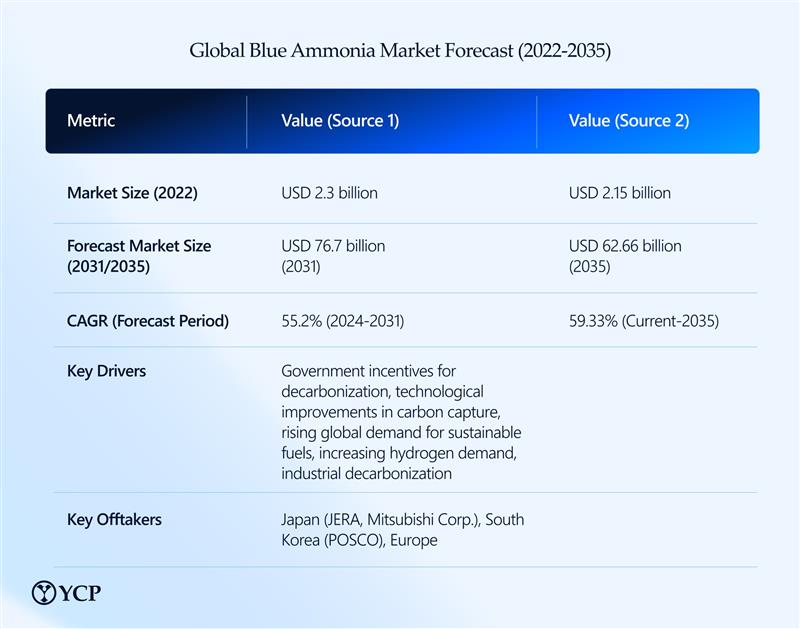 image (1).jpeg 51.85 KBFrom Capability to Competitive Positioning
Having strong resources and promising technologies is only the starting point. In global chemicals, value emerges when feedstocks, infrastructure, financing, and market access move in sync. Fragmented projects may generate activity, but these rarely build durable positions.
This is where Indonesia’s chemical transformation becomes a matter of execution. Countries that succeed in the low-carbon transition tend to move early, align with stakeholders, and scale with intent. Over time, these early moves compound into structural advantages that are difficult for late entrants to replicate.
For Indonesia, positioning will depend on how well sustainability is integrated into the commercial strategy. Embedding environmental performance into project design, financing models, and supply contracts strengthens both market credibility and investment appeal. In this sense, sustainability in the chemical industry increasingly becomes the foundation of competitiveness.
From Momentum to Advantage
As Indonesia’s chemical sector moves deeper into this transition, several practical signals will indicate whether momentum is translating into a durable advantage.
- Market alignment. Long-term offtake agreements with regional buyers, particularly for blue ammonia and green materials, will be critical in anchoring investment decisions.
- Integrated platforms. Projects that combine multiple products and feedstocks, rather than focusing on single outputs, are more likely to support a true circular economy in the chemical industry and deliver stable returns.
- Capital partnerships. Growing participation from ESG-focused investors, development finance institutions, and blended finance vehicles will reflect confidence in both commercial viability and sustainability credentials.
- Execution speed. Timelines matter, and in fast-evolving markets, delays can quickly erode first-mover advantages and shift demand elsewhere.
A Narrow Window of Opportunity
The global shift toward low-carbon materials is reshaping how industrial value is created. For Indonesia’s chemical industry, this presents a strategic opportunity to reposition itself within regional and global supply chains.
With the right combination of scale, integration, and execution, Indonesia can turn the growing demand for sustainable chemical production into a long-term industrial advantage. Blue ammonia, green plastics, and circular feedstocks form the foundations of a more resilient manufacturing base.
However, this window is limited. As buyers, investors, and competitors move quickly, early positioning will matter. Those who align resources, capital, and market access today will shape the sector’s trajectory for decades. In doing so, Indonesia can move beyond participation in the energy transition and become one of its industrial leaders.