Across Asia, transportation infrastructure is evolving into something much larger than a system for moving people from one place to another. As cities grow denser and passenger flows increase, major transit hubs are beginning to function as economic centers. Rail stations, metro systems, and airports increasingly anchor clusters of retail, offices, hospitality, and services that extend far beyond mobility.
The scale of these hubs helps explain why. Tokyo’s Shinjuku Station, for example, handles roughly 3.6 million passengers every day, making it one of the busiest transport nodes in the world. Similar dynamics are emerging across the region, where the rapid expansion of India’s transportation networks, China’s metro systems, and Japan’s rail corridors is turning transit infrastructures into a platform for commercial activity and urban development.
Japan: Rail Stations as Business Hubs
Japan offers one of the clearest examples of how transportation hubs can evolve into commercial ecosystems. In many Japanese cities, rail stations sit at the center of daily economic activity, anchoring clusters of retail, offices, housing, and entertainment. For railway operators, moving passengers is only one part of the business model.
Private railway companies have long expanded into real estate, retail, hospitality, and other services around their stations. In some cases, rail transport represents less than a third of total revenue, while property and commercial development generate a disproportionate share of operating profits. Stations effectively function as built-in customer traffic platforms, bringing steady footfall to surrounding businesses.
This integrated approach highlights Japan's transport business opportunities emerging from infrastructure development. By combining mobility services with property development and commercial activity, railway operators have turned transit networks into engines of urban growth and recurring revenue.
China: Metro Systems as Urban Development
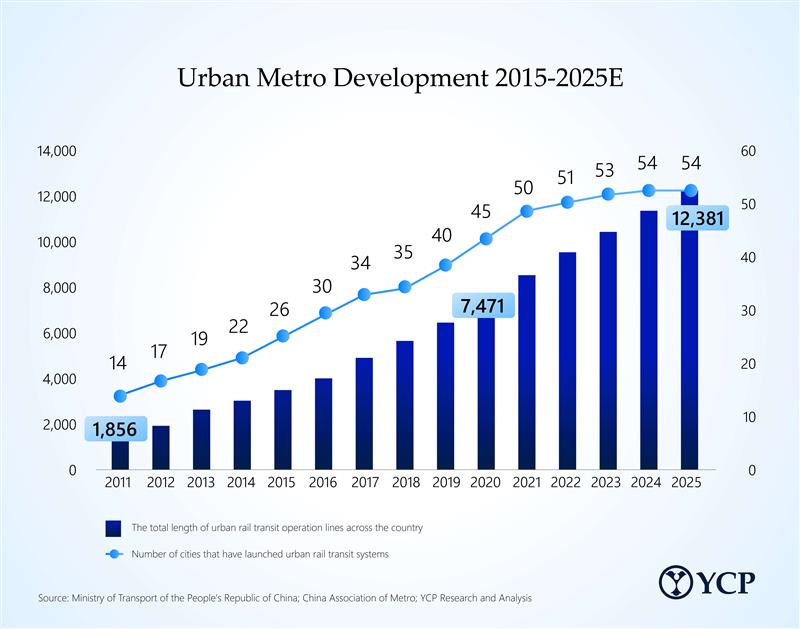
China provides another example of how transportation infrastructure can shape broader economic activity. Over the past decade, the rapid expansion of urban rail transit in China has transformed how many cities plan growth and commercial development.
Metro systems have expanded at an unprecedented pace, connecting residential districts, business centers, and emerging urban corridors. As stations multiply across major cities, local governments and developers increasingly use transit-oriented development to concentrate housing, retail, and services around metro hubs. These areas often evolve into dense commercial districts that benefit from steady passenger traffic throughout the day.
This shift is also redefining China's transport business opportunities. Rather than focusing solely on fare revenue, operators and city planners are exploring ways to integrate retail, property development, and services into the metro ecosystem. As networks mature, the emphasis is gradually shifting from expansion alone to building sustainable economic models around transit infrastructure.
India: Airports as Emerging Commercial Districts
While rail dominates in Japan and metro systems drive development in China, India's transportation landscape highlights the growing economic role of airports. Over the past two decades, rising passenger demand and infrastructure investment have transformed several major airports into important commercial centers.
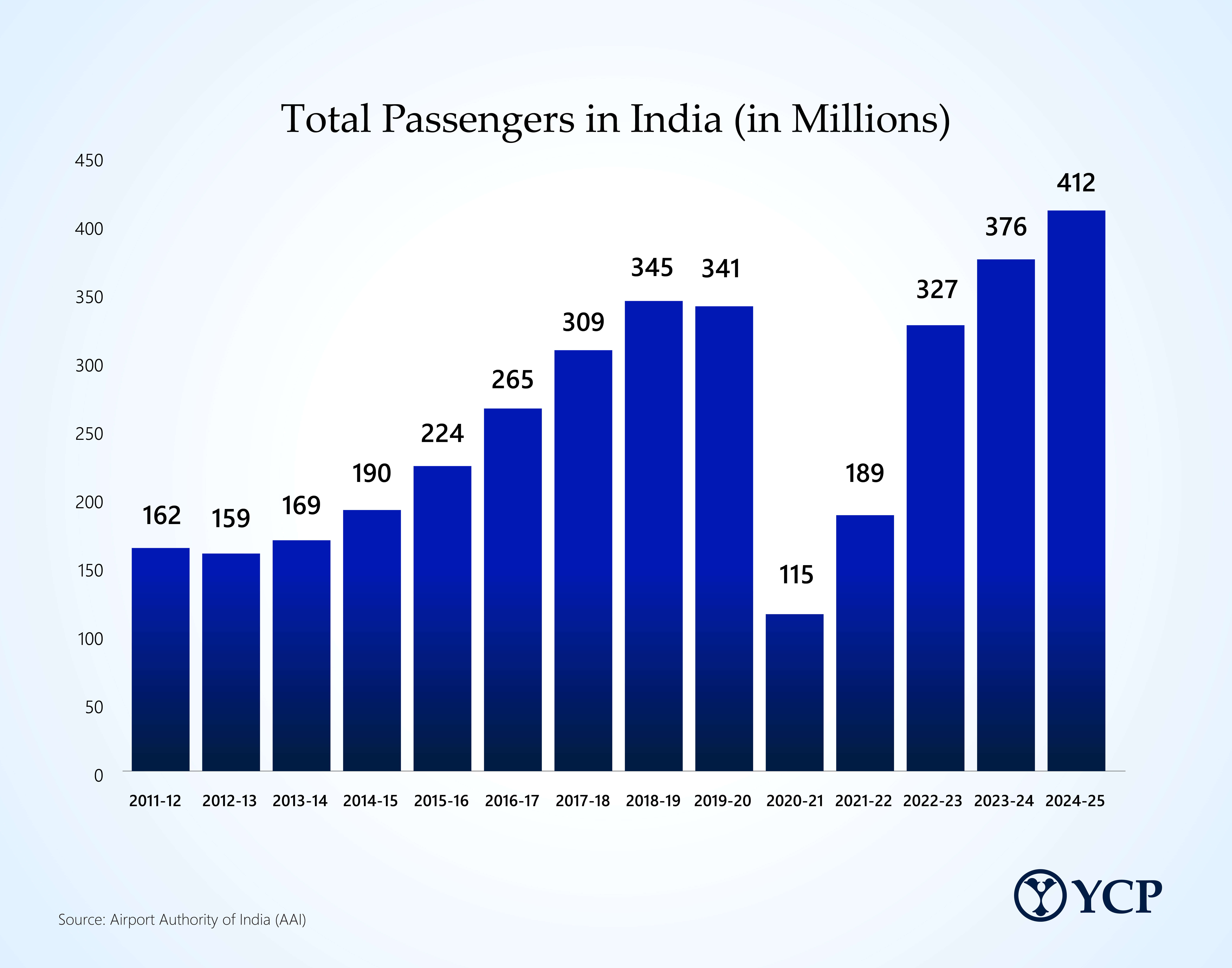
Passenger traffic in India has grown rapidly, with air travel expanding alongside urbanization and a rising middle class. As airports handle larger volumes of travelers, operators have increasingly focused on expanding India's airport business beyond aviation services. Retail, hospitality, office space, and entertainment have become important sources of non-aeronautical revenue.
Developments such as Delhi’s Aerocity illustrate how airport infrastructure can anchor broader mixed-use districts that attract businesses, hotels, and premium commercial spaces. These projects point to expanding India's transport business opportunities, where transportation hubs serve not only as gateways for mobility but also as catalysts for urban development and long-term commercial activity.
Transportation Infrastructure as a Business Platform
Across Asia, transportation hubs are increasingly being treated not simply as infrastructure assets but as platforms for broader economic activity. Rail stations, metro systems, and airports concentrate massive and predictable flows of people, creating natural environments for businesses to develop.
For investors, this shift opens new opportunities beyond transportation itself. Companies that traditionally operated outside the mobility sector are finding ways to participate in these ecosystems through commercial development, partnerships with infrastructure operators, and service offerings tailored to high-traffic transit areas.
As cities continue to expand and mobility networks grow, transportation infrastructure is likely to play an even larger role in shaping commercial districts. For many markets, the most valuable transport investments may increasingly be the economic ecosystems built around them.